
Why floors feel slippery after cleaning is one of the most common and confusing issues homeowners notice right after mopping.
You clean the floors. They look fresh. They smell neutral. But when you walk across them, something feels wrong. Not sticky. Not wet. Just… slippery.
It can feel unsafe, especially on hardwood, laminate, or tile. And the confusing part? The floor looked completely fine before you cleaned it.
Here’s the important reassurance: slippery doesn’t automatically mean damaged — and it doesn’t mean you ruined your floors. In most cases, the issue is temporary and caused by residue balance, moisture behavior, or surface interaction.
Let’s break down what’s really happening.
The Slippery Floor Problem (What People Actually Notice)
Most people describe it in similar ways:
- Floors feel slick under socks
- Bare feet slide slightly when turning
- The surface looks clean but feels overly smooth
- The problem appears only after cleaning
This is different from stickiness. Sticky floors feel tacky. Slippery floors feel overly smooth — almost polished. That contrast matters.
The Real Reasons Floors Feel Slippery After Cleaning
Slipperiness is usually about surface chemistry, not dirt.
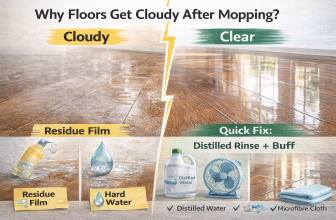
Residue Film Left Behind
When cleaning solution (or even diluted product from past cleanings) isn’t fully removed, it can leave a microscopic film. That film can:
- Reduce natural friction
- Change the texture underfoot
- Create a “slick” sensation once dry
Most slippery floors are caused by leftover residue that’s too thin to see but thick enough to affect traction.
Sometimes the surface doesn’t feel slick but instead loses its shine. In those cases, the issue may not be traction but reflection. Understanding why floors get dull after cleaning helps clarify how thin films alter surface gloss.
Over-Dilution or Under-Rinsing
Too much water can spread solution unevenly.
- The surface dries
- The moisture evaporates
- The dissolved material stays behind
Dry does not mean residue-free.
Product Layering Over Time
Even small amounts of cleaner used repeatedly can build up.
- Weekly cleaning
- No occasional rinse
- No friction reset
Over time, the finish becomes coated. The floor isn’t damaged — it’s layered.
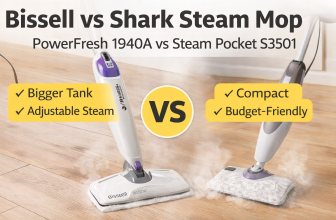
Steam mops solve the layering problem differently — heat dissolves buildup instead of adding to it. If residue keeps coming back, it may be time to look at safer options (check Top Rated Steam Mops for Hardwood Floors).
Polishing Effect From Microfiber or Pads
Some materials buff the surface as they move. If the floor already has a finish, repeated passes can:
- Smooth micro-texture
- Increase glide
- Temporarily reduce grip
This can make sealed surfaces feel more slippery than before cleaning.
Why Floors Feel Slippery Even When You Use Only Water
This surprises people. This is often exactly why floors feel slippery after cleaning, even when no visible product remains. Water interacts with whatever is already on the floor:
- Old cleaner residue
- Dust oils
- Environmental buildup
It redistributes them. When water dries, the redistributed film remains. That can create a smoother-than-natural surface — especially on sealed floors. Water alone does not “reset” a finish.
How Surface Texture Affects Traction
Not all floors are meant to feel the same underfoot. Every finished surface has microscopic texture. Even polished hardwood or laminate isn’t perfectly smooth — it contains tiny irregularities that create natural friction. When residue layers fill those micro-grooves, the surface can temporarily lose grip. This doesn’t mean the floor changed permanently. It means the balance between texture and coating shifted.
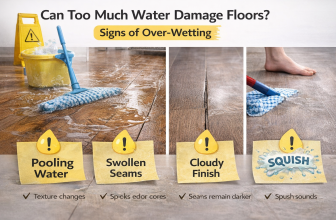
On some sealed floors, even a very thin film can dramatically alter how your feet respond to the surface. Reduced traction sometimes begins with over-wetting during routine cleaning.
Low traction can come from a thin film that clouds the surface and changes reflection.
The Role of Humidity and Airflow
Environmental conditions play a bigger role than most people realize. When humidity is high:
- Moisture evaporates more slowly
- Residue dries unevenly
- Film layers remain softer for longer
When airflow is low:
- Drying becomes patchy
- Some areas cure faster than others
A floor that feels slightly slippery in the evening may feel completely normal the next morning once conditions stabilize. Before assuming a cleaning failure, consider the environment.
Slippery vs Sticky Floors — What’s the Difference?
It helps to separate the two.
| Sticky | Slippery |
|---|---|
| Feels tacky | Feels overly smooth |
| Usually excess residue concentration | Usually thin film layer |
| Slight resistance underfoot | Reduced friction underfoot |
| Often caused by too much moisture | Often caused by layering |
Sometimes the same floor can shift between both, depending on humidity and drying patterns.
Sometimes the opposite happens and the surface feels textured instead of slick. In those cases, understanding why floors feel rough after cleaning helps clarify what changed.
If your floor sometimes shifts from slick to slightly tacky, the cause may overlap. Thin residue films can behave differently depending on humidity and drying patterns, which is why floors get sticky after mopping in some situations instead of slippery.
How to Test What’s Causing the Slipperiness
Quick diagnostics make a big difference.
The Sock Test
Walk in clean socks and turn slightly.
- Sliding easily → reduced traction
- Sudden grip after sliding → uneven film
The Damp Cloth Test
Wipe a small area with a lightly damp cloth and let dry.
- Feels less slippery → residue removal worked
- No change → surface polishing or finish issue
The Matte vs Gloss Check
Look at the floor under angled light.
- Uneven shine → residue patches
- Uniform high gloss → possible surface smoothing
How to Fix Slippery Floors Without Starting Over
In most cases, you don’t need a deep reset.
Light Rinse Pass
Use minimal moisture. One controlled pass. Allow full dry time.
Friction Reset
Use a dry microfiber cloth to gently restore surface balance.
Reduce Product Frequency
If cleaning solution is used regularly, consider alternating with plain damp maintenance to avoid layering.
When a Full Reset Is Actually Necessary
In most homes, light correction works. But occasionally, buildup becomes cumulative.
Signs you may need a deeper reset:
- The slippery sensation returns immediately after every cleaning
- The surface appears glossier than before
- Light reflects unevenly across the floor
In those cases, alternating moisture techniques or allowing the surface to fully dry for 24 hours can restore balance.
This is not about aggressive cleaning — it’s about stopping the cycle of layering.
Why Over-Cleaning Can Make Floors Worse
It’s natural to clean more when something feels off. But increasing frequency can:
- Add more product
- Spread existing residue thinner
- Polish the surface further
Sometimes the best correction is restraint. Let the surface breathe. Let it settle. More passes don’t always improve friction.
Floor Types That Show Slipperiness More Easily
Some surfaces amplify the sensation:
- Sealed hardwood
- Laminate
- Vinyl / LVP
- Polished tile
These aren’t weak materials — they simply respond strongly to residue balance.
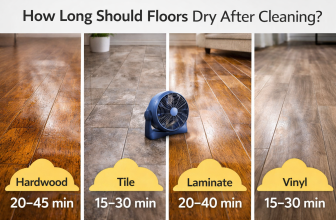
Surface traction often changes during evaporation. Review the safe drying time for different floor types to prevent slick finishes.
Does Slipperiness Mean the Finish Is Failing?
In most cases, no. A failing finish usually shows:
- Peeling
- Flaking
- Discoloration
- Visible wear patterns
Slipperiness alone is not typically a structural warning sign. If the surface looks intact and consistent, the issue is almost always surface-level film rather than material breakdown.
How Long Does the Slippery Feeling Usually Last?
For mild cases:
- A few hours
- Sometimes overnight
- Occasionally one full drying cycle
If the sensation persists beyond 24–48 hours without improvement, it usually indicates buildup rather than temporary moisture imbalance.
Is a Slippery Floor Dangerous?
Usually, it’s temporary and mild. However, reassess if:
- Slipping increases after each cleaning
- The surface feels unstable in certain areas
- You notice streaking or haze
Chronic slipperiness usually signals product layering, not structural damage.
When Slippery Floors Mean You Should Pause Cleaning
Stop and reassess if:
- You’ve increased cleaning frequency
- You recently switched products
- You’re using more moisture than before
More cleaning doesn’t always equal more safety.
Final Thoughts
When floors feel slippery after cleaning, it’s rarely about dirt — and rarely about damage. It’s about balance.
Moisture lifts residue. Drying redistributes it. Surface texture responds. And your feet notice the difference immediately. The good news is that this problem is mechanical, not permanent.
Most slippery floors resolve with:
- Reduced moisture
- Fewer repeated passes
- Clean pads
- Proper drying
You don’t need to panic. You don’t need to scrub harder. You don’t need to assume something is wrong with your floors. Small adjustments restore natural traction surprisingly fast.
FAQ
Why do my floors feel slippery after cleaning?
Usually because of a thin residue film left behind after moisture evaporates. Cleaning solution, even diluted, can coat the floor’s micro-texture and reduce natural friction. The floor looks clean but feels overly smooth underfoot.
Why do floors feel slippery even when I only use water?
Water doesn’t reset a floor’s surface — it redistributes what’s already there. Old cleaner residue, dust oils, and environmental buildup get moved around. When water dries, the redistributed film remains and can make sealed floors feel slicker than before.
How do I fix slippery floors after mopping?
In most cases a light rinse with minimal moisture followed by full drying fixes the problem. Use a dry microfiber cloth to do a friction reset. Avoid cleaning again immediately — more passes spread residue thinner and can make the surface feel smoother.
How long does the slippery feeling last after cleaning?
For mild cases, the slippery sensation usually resolves within a few hours to overnight as the surface fully dries and stabilizes. If it persists beyond 24–48 hours, it usually indicates product buildup rather than temporary moisture imbalance.
Can slippery floors damage hardwood?
The slippery feeling itself doesn’t damage hardwood. It’s usually a surface-level film issue, not structural. However, if you clean repeatedly trying to fix it, excess moisture from multiple passes can stress the finish over time.