
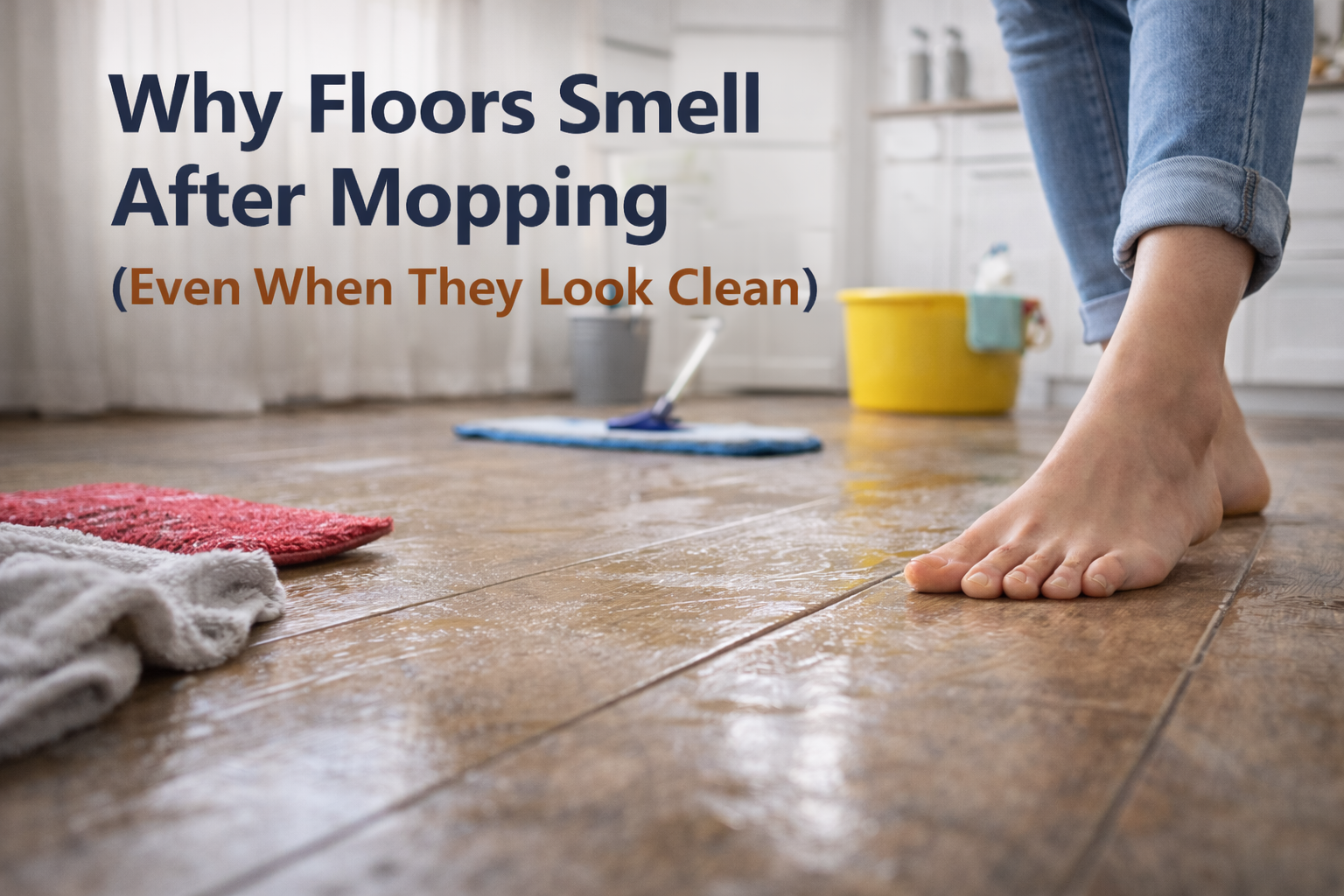
You mop the floor. It looks spotless. And then the smell hits. Not strong. Not obvious at first. Just… off. Sometimes it’s sour. Sometimes musty. Sometimes like a damp rag. And the frustrating part? The floor looks clean.
If you’re dealing with this, you’re not alone — and it doesn’t automatically mean your floors are dirty or damaged. In most cases, post-mopping odors come from moisture interacting with residue, trapped debris, or cleaning tools.
Why floors smell after mopping is usually caused by trapped moisture, reactivated residue, or damp cleaning pads — not because the floor is still dirty.
Let’s break down what’s actually happening.
The Post-Mopping Smell Problem (What People Notice First)
Most people describe it like this:
- A damp or sour smell after the floor dries
- A musty odor in one specific room
- A smell that wasn’t there before cleaning
- A “clean-but-not-fresh” feeling
The smell often becomes noticeable after drying, not during mopping. That detail matters. Odor often pairs with haze caused by slow evaporation and damp residue.
The Real Reasons Floors Smell After Mopping
Odor after cleaning is almost always a moisture reaction, not a cleanliness failure.
Trapped Moisture in Micro-Grooves
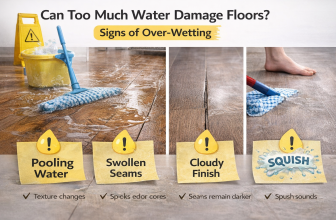
Floors are not perfectly smooth. Even sealed surfaces have microscopic texture. If too much water is used:
- Moisture settles into seams or edges
- Evaporation slows in low airflow areas
- Dampness lingers longer than expected
When moisture stays longer than it should, it can produce a temporary musty smell.
Dirty or Oversaturated Mop Pads
One of the most common causes. If a mop pad:
- Wasn’t fully dried after last use
- Contains old detergent residue
- Holds trapped organic debris
It can transfer odor back to the floor. Many “floor smells” actually originate from the cleaning tool rather than the surface itself.
Old Residue Reactivated by Water
Water lifts whatever is already on the surface:
- Previous cleaning product film
- Dust oils
- Minor spills that weren’t fully removed
When rehydrated, those layers can release odor temporarily. Drying doesn’t neutralize smell — it can concentrate it.
Seams, Edges, and Baseboards
Smell often gathers near:
- Floorboard seams
- Room corners
- Under cabinets
- Entry transitions
Moisture moves toward edges while drying. That’s where odor lingers longest.
Why Floors Can Smell Even When They Look Clean
Visual cleanliness and odor are separate issues. A floor may:
- Appear spotless
- Reflect light evenly
- Show no visible dirt
Yet still hold microscopic organic material. When water interacts with these particles, it can trigger odor release — even if the amount is small. This is why floors smell after mopping even when they look clean.
In some cases, odor and texture changes happen together. If your floor also feels slightly tacky after drying, it helps to understand why floors get sticky after mopping and how residue concentration affects the surface.
Moisture reactions can influence more than scent. As water evaporates, dissolved minerals may reduce shine without affecting texture. That mechanism is explained in why floors get dull after cleaning, where residue vs wear is examined in detail.
Persistent odor is often linked to what happens when floors stay damp too long after cleaning.
How Bacteria and Organic Particles React to Moisture
Even in a clean home, microscopic organic particles are always present.
Dust, skin cells, cooking residue, and airborne debris settle on floors daily.
When moisture is introduced:
- Dormant particles rehydrate
- Odor compounds become more noticeable
- Evaporation concentrates scent before it disappears
In many cases, the smell isn’t new contamination — it’s existing material briefly becoming more active during drying.
This is why odor often peaks 30–90 minutes after mopping and then fades.
Why the Smell Is Stronger in Certain Rooms
You might notice the odor only in:
- Kitchens
- Entryways
- Bathrooms
- Areas near trash bins
These spaces accumulate more organic matter, even if they look clean. Water lifts and redistributes these particles. As drying occurs, scent becomes temporarily amplified. This doesn’t mean the room is dirty. It means it has higher interaction between moisture and residue.
The Difference Between Damp Smell and Damage
It helps to separate temporary odor from structural issues.
Temporary moisture odor:
- Fades within 12–24 hours
- Stays surface-level
- Doesn’t change floor appearance
Damage-related odor (less common):
- Persists beyond 48 hours
- Comes from one consistent location
- May be accompanied by warping or discoloration
In most homes, post-mopping odor is short-term moisture imbalance — not material failure.
Sometimes the same moisture imbalance that causes odor can also change how the surface feels underfoot. If your floors seem overly smooth instead of tacky, you may want to explore why floors feel slippery after cleaning and how thin residue films alter traction.
Quick Tests to Identify the Cause
The Dry Cloth Test
Wipe a small area with a completely dry cloth.
- If smell decreases → moisture residue issue
- If unchanged → tool contamination or seam issue
The Pad Smell Test
Smell your mop pad after use.
- Sour or musty → pad is the source
- Neutral → surface or residue issue
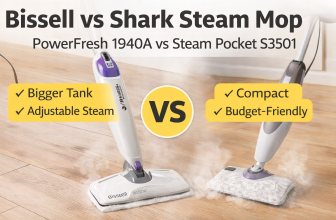
Switching to steam eliminates the dirty-water problem entirely — there’s no bucket, no reused solution, no bacterial buildup in the pad. See which steam mop we recommend for everyday use: Top Rated Steam Mops for Hardwood Floors.
The Airflow Test
Increase ventilation for 1–2 hours.
- Odor fades → drying imbalance
- Odor remains → localized buildup
How to Fix Floor Odor After Mopping
You usually don’t need heavy cleaning.
Reduce Water Use
Use less moisture than you think necessary. Floors rarely need saturation.
Fully Dry Mop Pads Between Uses
Never store pads damp. Air-dry completely before reuse.
Improve Air Circulation
Open windows or increase airflow during and after cleaning. Drying speed directly affects odor formation.
One-Pass Technique
Repeated passes spread organic material thinner rather than removing it. Less movement often means less reactivation.
Should You Mop Again If the Floor Smells?
Usually, no. Mopping again while the surface is still drying can:
- Rehydrate the same residue
- Extend drying time
- Spread odor further
Instead:
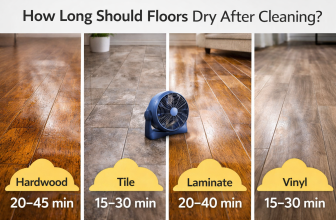
- Let the floor dry completely
- Increase airflow
- Check the cleaning pad
In most homes, patience resolves more odor than repeated cleaning.
The 24-Hour Reset Method
If odor persists mildly:
- Allow the surface to dry fully
- Avoid additional moisture for 24 hours
- Ensure airflow
- Use only a dry microfiber pass if needed
This breaks the cycle of reactivation.
Floor Types More Prone to Smell After Cleaning
Some surfaces trap moisture more easily:
- Laminate
- Engineered wood
- Vinyl seams
- Older sealed hardwood
These materials are not flawed — they just respond more strongly to excess moisture.
When You Should Stop and Reassess
Pause cleaning adjustments if:
- The smell worsens after each mop
- You detect persistent mustiness in one exact spot
- The odor lasts beyond 48 hours
That suggests localized moisture retention rather than surface residue.
How Long Should the Smell Last?
Mild post-cleaning odor typically:
- Peaks during drying
- Fades within 12–24 hours
- Disappears once moisture fully evaporates
If airflow is low, it may last slightly longer.
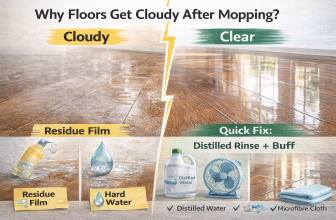
Does Hard Water Make Floors Smell Worse?
In some areas, water contains higher mineral content.
Hard water can:
- Leave faint deposits
- Interact with existing residue
- Slightly alter odor perception during drying
While hard water alone rarely causes odor, it can intensify how residue behaves. If the smell is subtle and disappears quickly, mineral interaction is a likely contributor.
Mineral interaction can also change texture, not just scent. If the floor feels slightly gritty after drying, the same imbalance may be responsible.
Can New Floors Smell After Mopping?
Yes — sometimes more than older ones. Newly installed or recently sealed floors can:
- React differently to moisture
- Release mild finishing odors
- Amplify scent during early cleanings
This typically stabilizes over time.
Final Thoughts
When floors smell after mopping, the reaction is usually emotional. You cleaned. You expected fresh. You got something else. But in most cases, odor after mopping is temporary and mechanical. Moisture interacts with:
- Residue
- Microscopic organic particles
- Cleaning tools
- Airflow conditions
The result is short-term scent — not structural damage. Better drying, cleaner pads, and controlled moisture solve most cases without stronger products or aggressive cleaning.
A floor that smells slightly damp during drying is not a failure. It’s chemistry in motion.
FAQ
Why do my floors smell after mopping?
The most common cause is a dirty mop pad spreading bacteria and old residue across the floor instead of cleaning it. Other causes include trapped moisture under the floor, too much cleaning product, or a mop that wasn’t dried properly between uses.
Why do floors smell sour after mopping?
A sour or musty smell after mopping usually means bacteria. Either the mop pad was already contaminated, the floor wasn’t fully dry before you put down rugs, or moisture got trapped in grout lines or seams and started growing bacteria.
How do I get rid of the smell after mopping?
Wash or replace your mop pad immediately. Do a clean pass with plain warm water to rinse any product residue. Make sure the floor dries completely — use a fan or open windows. If the smell persists, the source may be the mop itself, not the floor.
Why does my floor smell worse after mopping than before?
This almost always means your mop pad was dirty. A contaminated pad spreads bacteria across the whole floor surface. The wet mopping process activates and spreads what was already in the pad. Always start with a clean, dry pad.