
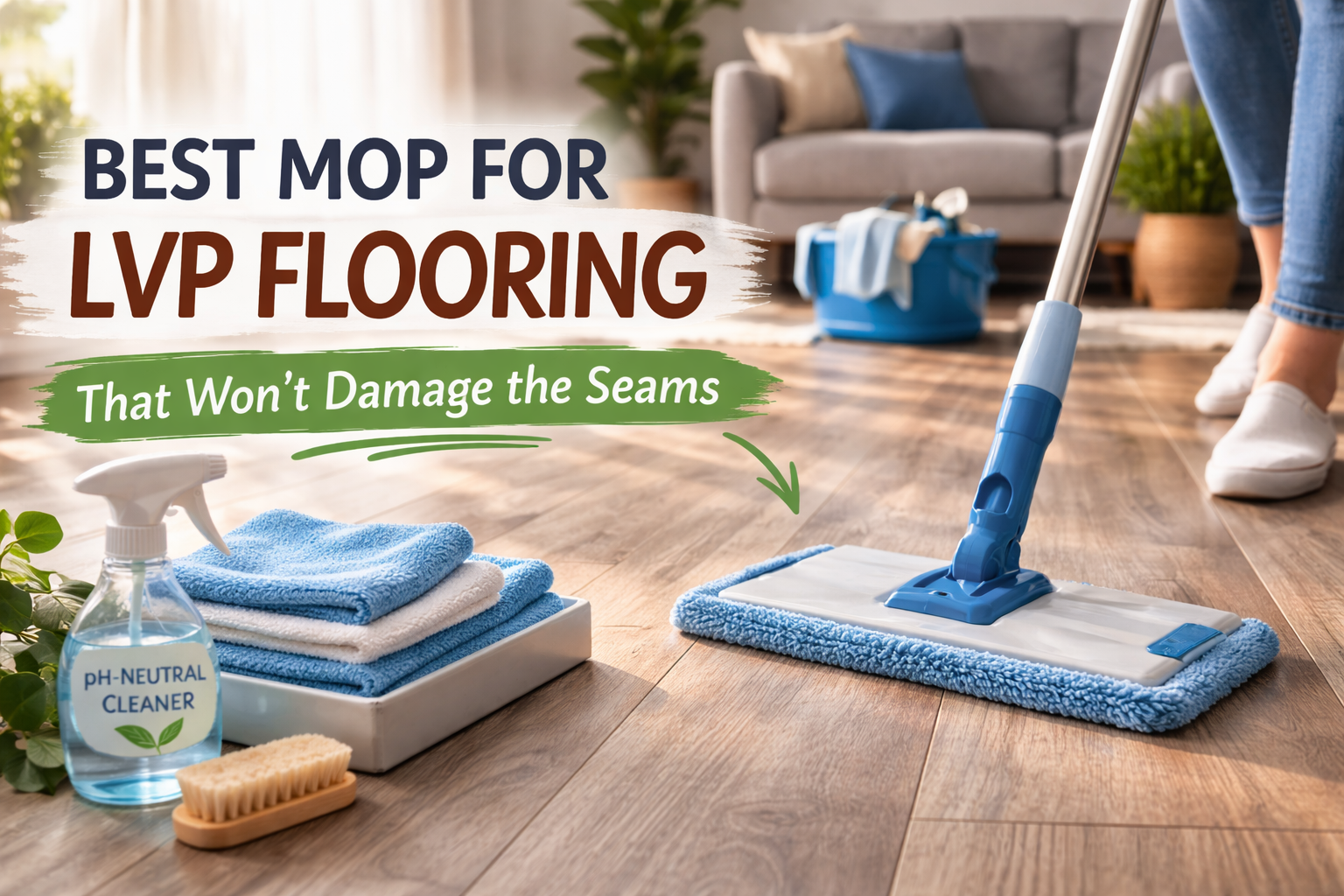
LVP is waterproof on the surface — but the seams aren’t. That’s the detail most people miss. Too much moisture, the wrong mop head, or aggressive scrubbing can slowly lift edges and dull the protective wear layer. The fix isn’t complicated. The best mop for LVP flooring is one that stays barely damp, uses a soft microfiber head, and never leaves standing water behind. In this guide, I’ll show you exactly which mop types work, which ones damage seams over time, and what I personally recommend at different budgets.
Quick Picks
| Mop Type | Best For | Verdict |
|---|---|---|
| Flat microfiber mop | Daily cleaning | ✅ Best overall |
| Spray mop | Quick maintenance | ✅ Great for kitchens |
| Steam mop (low setting) | Monthly sanitizing | ⚠️ Use with caution |
| String mop | — | ❌ Too much water |
| Sponge mop | — | ❌ Avoid |
| Wet Swiffer (heavy use) | — | ❌ Can oversaturate |
If you remember one thing: LVP doesn’t fail from dirt — it fails from moisture in the seams.
Why LVP Needs a Special Mop
Vinyl plank flooring has a tough wear layer that protects the surface from scratches and stains. But the seams between planks are the vulnerable points. Water seeps into edges, weakens adhesive, and over time can cause lifting or slight warping.
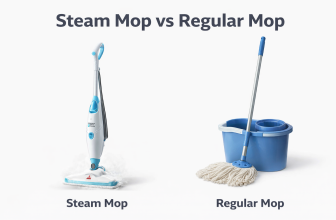
Most traditional mops apply far more moisture than necessary. A flat head microfiber mop distributes light, controlled dampness. A string mop floods the seams. That’s the difference.
Best Flat Microfiber Mop for LVP
For daily cleaning, a flat microfiber mop is the safest and most reliable option. It applies minimal moisture, glides smoothly, and doesn’t grind grit into the wear layer.
What to look for:
- Removable, machine-washable pads
- Adjustable handle
- 360° swivel head
- Lightweight design
Recommended Options
O-Cedar ProMist MAX Microfiber Spray Mop
Great for controlled moisture and washable pads.

Bona Premium Microfiber Floor Mop
Wide head, durable construction, excellent for larger areas.

Both keep moisture levels low and distribute pressure evenly — exactly what LVP needs.
Best Spray Mop for LVP
Spray mops are ideal for kitchens and entryways where quick cleanup matters. The built-in reservoir lets you use a diluted pH-neutral cleaner without carrying a bucket.
The key rule: spray onto the pad or lightly ahead of the mop — never soak the floor.
If you’re unsure how long floors should stay damp, I explain drying times by floor type in my guide on how long floors should dry after cleaning. LVP should dry within minutes, not half an hour.
Recommended Spray Mop
Rubbermaid Reveal Spray Mop
Refillable bottle, microfiber pad, very controlled spray.
It’s practical, affordable, and easy to maintain.

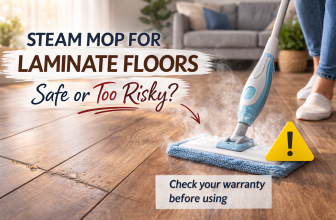
Can You Use a Steam Mop on LVP?
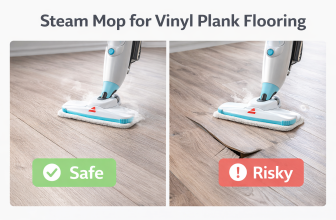
Short answer: yes — but rarely.
Only use steam on:
- Fully sealed LVP
- Floors in good condition
- Lowest steam setting
- No visible gaps or lifting
Never steam glue-down installations unless the manufacturer confirms it’s safe.
Steam should be occasional sanitizing — not routine cleaning. For daily maintenance, microfiber does the job without stressing seams.
If you want a real-world example of how steam performs on hard floors, I tested one carefully in my Senmo steam mop review. But again — steam is optional, not essential.
For a full technical explanation of when steam is safe on vinyl plank floors, see my in-depth article on steam mop use for vinyl plank flooring.
What to Avoid on LVP
| What | Why |
|---|---|
| String mop | Too much water → lifting seams |
| Sponge mop | Holds dirty water, oversaturates |
| Vinegar or bleach | Break down protective wear layer |
| Abrasive pads | Scratch surface |
| Daily steam | Adhesive stress over time |
| Wax-based cleaners | Leave cloudy residue |
If you’re wondering what moisture does long term, I explain the structural impact in my guide on whether too much water can damage floors. The short version: seams fail before surfaces do.
How to Mop LVP the Right Way
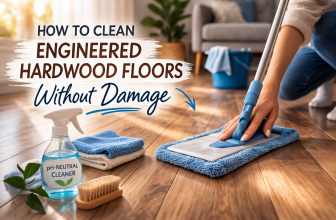
Cleaning LVP correctly is more about technique than equipment.
- Sweep or vacuum first — grit scratches the wear layer.
- Spray lightly onto the mop pad, not directly onto the floor.
- Mop in the direction of the planks.
- One controlled pass is enough — no aggressive scrubbing.
- Never leave standing water.
- Let air dry for 5–10 minutes before walking on it.
That’s it. Over-cleaning causes more damage than under-cleaning.
FAQ
What is the best mop for vinyl plank flooring?
A flat microfiber mop is the best choice for LVP because it applies minimal moisture and protects the seams. Spray mops are excellent for quick cleanups. Avoid string and sponge mops — they hold too much water.
Can you use a Swiffer on LVP floors?
Yes. The dry Swiffer is excellent for daily dust removal. The WetJet works too, but use the lowest spray setting and never allow liquid to pool at seams.
Can you use a steam mop on vinyl plank flooring?
With caution. Low steam only, on sealed floors in good condition. Never use steam on lifting edges or damaged planks.
What should you not use to clean LVP floors?
Avoid string mops, sponge mops, vinegar, bleach, wax-based cleaners, and abrasive pads. These either oversaturate the floor or degrade the wear layer.
How often should you mop LVP floors?
Damp mop once a week is enough for most homes. Daily dry microfiber sweeping removes grit that causes microscopic scratches. Over-wetting can also lead to residue problems, which I explain in my guide on why floors get sticky after mopping.
Final Thoughts
The best mop for LVP flooring isn’t the most powerful one — it’s the most controlled one. Vinyl plank floors don’t need heavy water, harsh chemicals, or aggressive scrubbing. They need light moisture, soft microfiber, and consistency.
If you protect the seams, the surface will take care of itself.
Clean smart. Not wet.