
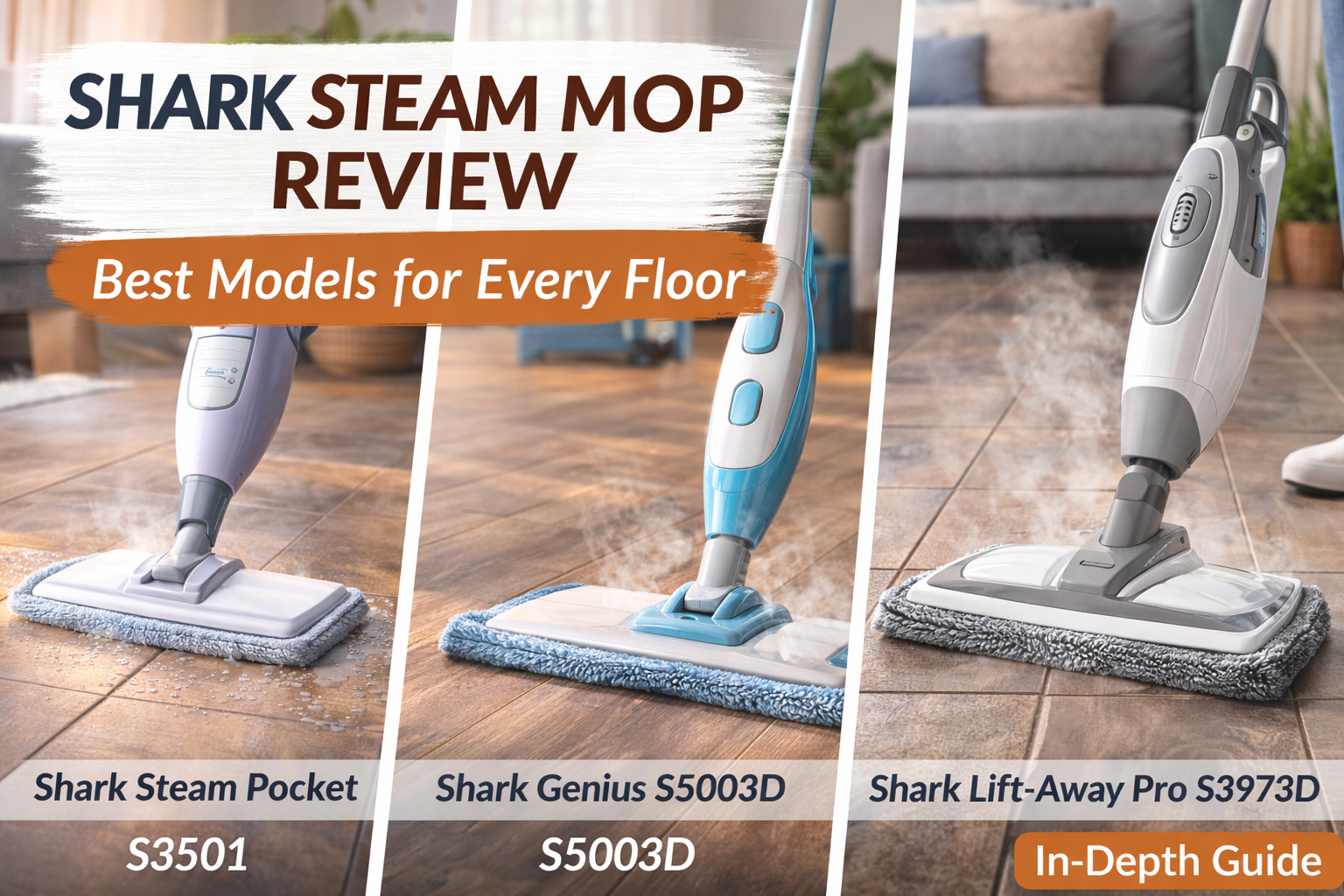
In this Shark steam mop review, I tested the most popular models on hardwood, tile, and laminate to see which one actually performs best in real homes.
But here’s what actually matters: steam control, moisture output, and how your specific floor reacts to heat.
Quick answer: Shark Genius S5003D is the best all-around choice — 3 steam levels, works safely on
sealed hardwood and LVP. For tile only, the S3501 is enough and cheaper.
In this Shark steam mop review, I’m not just comparing features. I’m breaking down which model makes sense for tile, sealed hardwood, vinyl plank, and which ones you should avoid entirely on laminate. Steam is powerful — but it’s not neutral. It interacts with every floor differently.
Let’s get into the real differences.
Quick Picks
| Best for | Model | Weight | Tank | Steam levels | Price | Link |
|---|---|---|---|---|---|---|
| Best budget | Shark S1000 | ~4.3 lbs | ~350 ml | 1 | ~$40 | Check price → |
| Best mid-range | Shark S3501 | 4.69 lbs | 310 ml | 1 | ~$55 | Check price → |
| Best for hardwood | Shark S3601D | ~5.1 lbs | 375 ml | 2 | ~$70 | Check price → |
| Best premium | Shark S7001 | ~5.5 lbs | ~400 ml | 3 | ~$100 | Check price → |
| Best for pet owners | Shark Steam & Scrub | ~5.5 lbs | ~400 ml | 3 + scrub | ~$90 | Check price → |
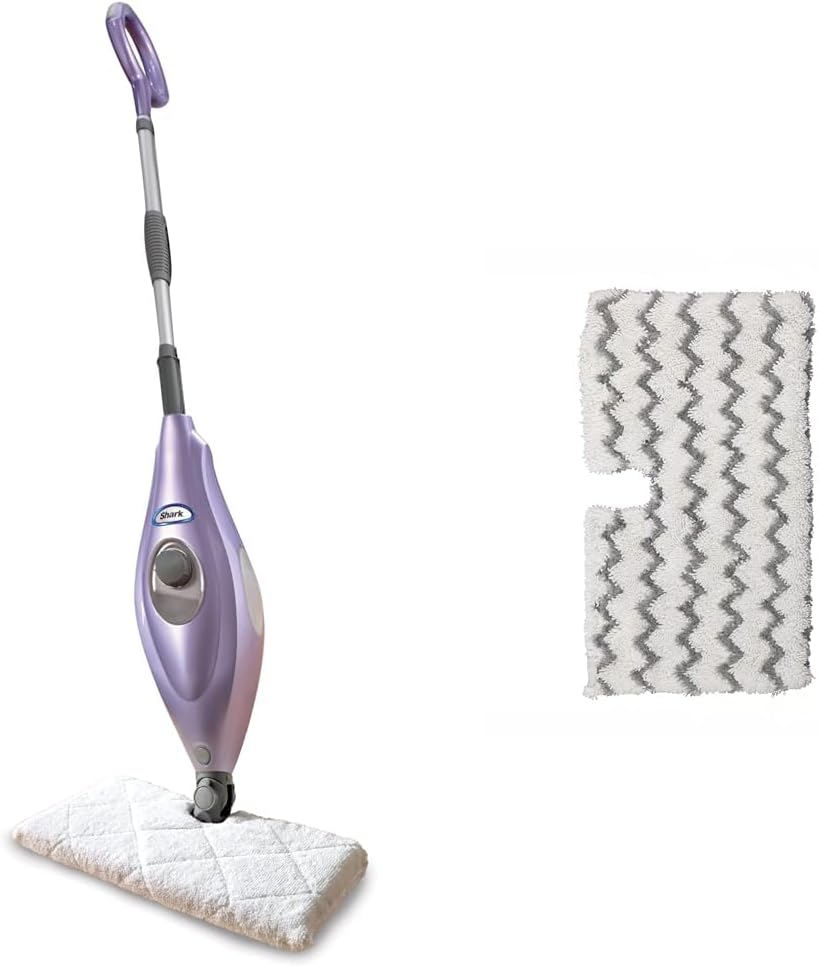
Shark Steam Pocket S3501 Review
Best for: Tile, kitchens, quick refresh cleaning
Not ideal for: Sensitive hardwood or laminate
This is Shark’s simplest model. No adjustable steam. No detachable pod. Just plug in and go.
What I like:
– Lightweight
– Heats up fast (around 30 seconds)
– Washable microfiber pads
– Very affordable
What I don’t like:
- No steam control
- Smaller tank
- Not ideal for delicate floors
| Feature | Value |
|---|---|
| Floor types | Sealed tile, ceramic, sealed hardwood (caution) |
| Weight | 4.5 lbs |
| Heat-up time | ~30 seconds |
| Water tank | 0.38 L |
| Cord | 20 ft |
| Steam levels | 1 |
Because it has only one steam level, I would not use this daily on hardw
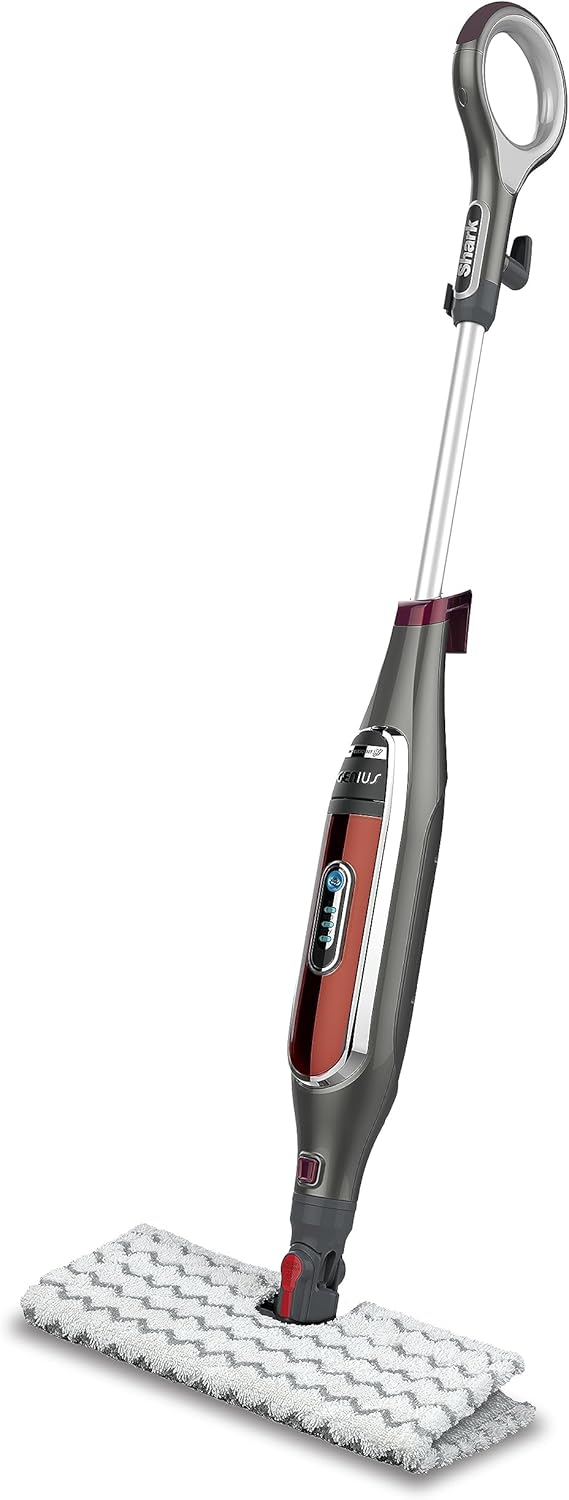
Shark Genius S5003D Review
Best for: Sealed hardwood, vinyl plank (rare steam use), controlled sanitizing
Most versatile Shark model
This is the one I recommend most often — not because it’s the strongest, but because it gives you control.
You get three steam levels: low, medium, high. Low is the difference between “reasonable caution” and “unnecessary risk” on wood-based floors.
It also has:
- Direct Steam Spray for stubborn spots
- Flip-over pad (clean twice the area before switching)
- Larger tank
- Better pad locking system
| Feature | Value |
|---|---|
| Floor types | Hardwood, tile, LVP (low steam only) |
| Weight | 5.7 lbs |
| Heat-up time | ~30 seconds |
| Water tank | 0.45 L |
| Cord | 25 ft |
| Steam levels | 3 (low / medium / high) |
If you’re thinking about using steam occasionally on LVP or sealed hardwood, I strongly suggest reading my full breakdown on steam mop use for vinyl plank flooring before deciding. Steam can work — but only under specific conditions.
The Genius S5003D reduces risk. It doesn’t eliminate it.
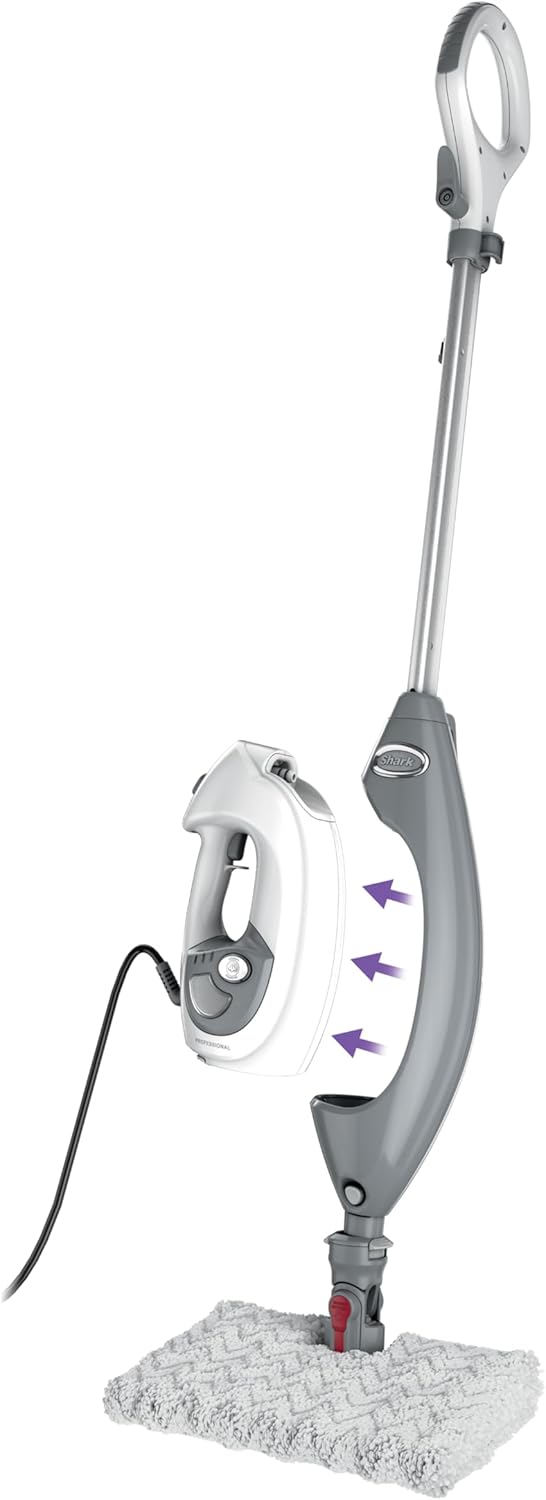
Shark Lift-Away Pro S3973D Review
Best for: Deep grout cleaning, bathrooms, kitchens
Too aggressive for: Laminate, delicate wood finishes
This model produces stronger steam and includes a detachable handheld unit for vertical surfaces.
It’s powerful — which is exactly why I’m cautious recommending it. Laminate floors contain an HDF core. HDF swells when exposed to moisture. Steam penetrates seams faster than regular water because it’s hot vapor under pressure.
| Feature | Value |
|---|---|
| Floor types | Tile, grout, sealed hard floors |
| Weight | 5.9 lbs |
| Heat-up time | ~30 seconds |
| Water tank | 0.5 L |
| Cord | 25 ft |
| Steam levels | Adjustable + detachable handheld |
If you want to understand how moisture slowly damages layered flooring systems, I explain the mechanics in my guide on whether too much water can damage floors.
This model is excellent for tile grout. It’s not something I’d use in a home full of laminate.
Steam Temperature & Floor Reality
All Shark steam mops reach temperatures around 212°F (100°C). That’s hot enough to kill many bacteria without chemicals.
But here’s what often gets overlooked: sanitation requires contact time. A quick swipe may not disinfect as effectively as people assume. Steam sanitizing works best on hard, non-porous surfaces like tile.
Wood-based floors are porous at the seams.
Steam doesn’t just sit on the surface — it seeks gaps.
Which Shark Steam Mop for Each Floor Type?
Tile & Porcelain
All three models work well. If budget matters, S3501 is fine.
Sealed Hardwood
S5003D only. Low setting. Occasional use. Never pause in one spot.
Vinyl Plank (LVP)
S5003D low setting, rarely. Always keep the mop moving.
Laminate
Avoid if possible. If used at all, lowest steam setting, once a month maximum. Warranty may be void.
If your laminate has already started looking cloudy after cleaning, that may be moisture stress or residue buildup. I explain how to distinguish between the two in my article about why floors get cloudy after mopping.
Looking for a more affordable alternative with similar steam control? We also tested the Senmo Steam Mop — it’s lighter, cheaper, and handles hardwood well on low setting.
Common Mistakes with Shark Steam Mops
Even good tools cause damage when misused.
- Holding steam in one spot
- Using high steam on wood
- Steaming daily
- Using on lifting or gapped planks
- Ignoring manufacturer warranty terms
Steam isn’t dangerous because it’s steam. It’s dangerous because of repetition and overconfidence.
Maintenance & Pad Care
One overlooked factor is pad hygiene.
Dirty pads:
- Spread residue
- Create streaking
- Leave floors dull
Always wash pads after each use. Don’t use fabric softener — it reduces absorbency.
If your floor feels sticky after steam cleaning, it’s often residue buildup from previous cleaners reacting with steam. That’s not always floor damage — but it’s a sign to reset your routine.
Pros and Cons of Shark Steam Mops
Pros
- No chemicals required
- Fast heating
- Lightweight
- Good for grout
- Washable pads
Cons
- Risk on laminate
- Warranty concerns
- Overuse can dull finish
- Not needed for daily cleaning
- Steam control limited on cheaper models
Long-Term Durability Perspective
Steam once per month on sealed hardwood? Likely fine.
Steam twice a week for a year? That’s different.
Heat + moisture stress compounds slowly. Most floor damage appears months after repeated exposure — not immediately.
If your floors regularly stay damp more than 10–15 minutes after steam cleaning, you’re using too much moisture. Floors should dry quickly. If you’re unsure what’s normal, I’ve broken down expected drying times in my guide on how long floors should dry after cleaning.
Steam isn’t dangerous because it’s hot — it’s dangerous because of repeated moisture exposure. If you want to understand how excess water gradually weakens floor structure, I explain it step by step in my article on how too much water can damage floors.
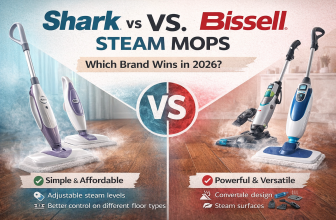
Shark vs Bissell — Quick Brand Comparison
Shark steam mops focus on simplicity and ease of use, while Bissell offers more features, stronger steam output, and a wider range of models.
If you’re deciding between brands, I break it down in detail in my full Shark vs Bissell steam mop comparison, where I compare the entire lineup side by side.
Final Verdict
If you want a balanced option: Shark Genius S5003D. It gives you the control needed to minimize risk.
If your home is mostly tile: S3501 is enough.
If grout is your main concern: Lift-Away Pro.
But if your floors are laminate or older engineered wood, steam may simply not be worth it. Steam is not a daily cleaning solution. It’s a periodic sanitizing tool. Used carefully, it works well. Used casually, it shortens floor lifespan.
That’s the honest answer. If you’re looking for a simple answer from this Shark steam mop review, here it is: choose the model based on your floor type, not the price tag.
Shark Steam Mop Replacement Pads — What to Buy
Replacement pads are one of the most searched topics for Shark steam mop owners — and one of the easiest ways to extend the life of your machine.
Which pads fit which model:
| Model | Compatible Pad | Official Part |
|---|---|---|
| S3501 | Soft microfiber pocket pad | Shark part #XPP460C |
| Genius S5003D | Dirt Grip pad + regular pad | Shark part #XPPP200C |
| Lift-Away Pro S3973D | Dirt Grip pad (both sizes) | Shark part #XPPP200C |
Original vs third-party:
Shark’s official pads cost around $15–20 for a 2-pack. Third-party compatible pads on Amazon run $10–15 for 4–6 packs and work well for most users — just check that the pocket design matches your model before buying.
Wash pads after every use in cold water without fabric softener. Fabric softener reduces absorbency and leaves a residue that can make floors look streaky.
Most pads last 50–100 washes before performance drops noticeably.
If you’re not sure which pads fit your model, check my full guide to Shark steam mop replacement pads where I break down compatibility and the best options available.
Which Shark Steam Mop for Which Floor?
Hardwood floors
The safest options are the S3501 or S3601D. Both use lower, more controlled steam, which reduces the risk of moisture damage on sealed wood floors.
Tile floors
The S7001 performs best on tile. Higher steam output and scrubbing pads help clean grout lines and remove stuck-on residue more effectively.
Laminate
Steam is risky on laminate floors. Instead, it’s better to use a low-moisture cleaning method — I explain safer options in my guide to the best mop for laminate floors.
LVP (vinyl plank)
Steam mops are not ideal for LVP because heat and moisture can weaken seams. A better alternative is covered in my guide to the best mop for LVP flooring.
FAQ
Is Shark steam mop good for hardwood floors?
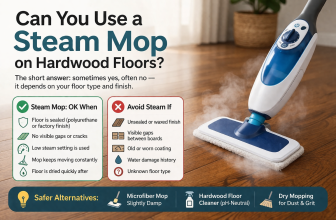
Yes — but only the Shark Genius S5003D on the lowest steam setting. Sealed hardwood tolerates occasional steam cleaning, but excess moisture or heat can damage the finish over time. Always keep the mop moving and avoid pausing in one spot. For unsealed or older hardwood, skip steam entirely and use a damp microfiber mop instead.
Which Shark steam mop is best?
For most homes, the Shark Genius S5003D. It’s the only model in the Shark lineup with three adjustable steam levels, which gives you the control needed to clean different floor types safely. If your home is mostly tile, the S3501 is a cheaper and simpler option. For deep grout cleaning, the Lift-Away Pro S3973D adds a detachable handheld steamer.
Can Shark steam mop damage laminate?
Yes — and it’s a real risk. Laminate has an HDF core that swells when exposed to moisture. Steam penetrates seams faster than liquid water because it’s pressurised hot vapour. If you do use steam on laminate, use the lowest setting, keep the mop moving constantly, and limit use to once a month at most. Many laminate manufacturers void warranties if steam mops are used — check your flooring documentation first.
How often should you use a Shark steam mop?
Once or twice a month for sanitizing is enough. Daily cleaning should be dry microfiber only — steam isn’t a routine cleaning tool. Overuse dulls finishes and stresses seams over time.
Do Shark steam mops really sanitize?
On tile and sealed surfaces — yes. Steam at 212°F kills most common bacteria and viruses on contact. However, sanitizing requires adequate contact time — a quick pass may not be enough. For best results, move slowly on high steam over tile and grout. On wood-based floors, prioritise cleaning over sanitising and use lower steam settings.