
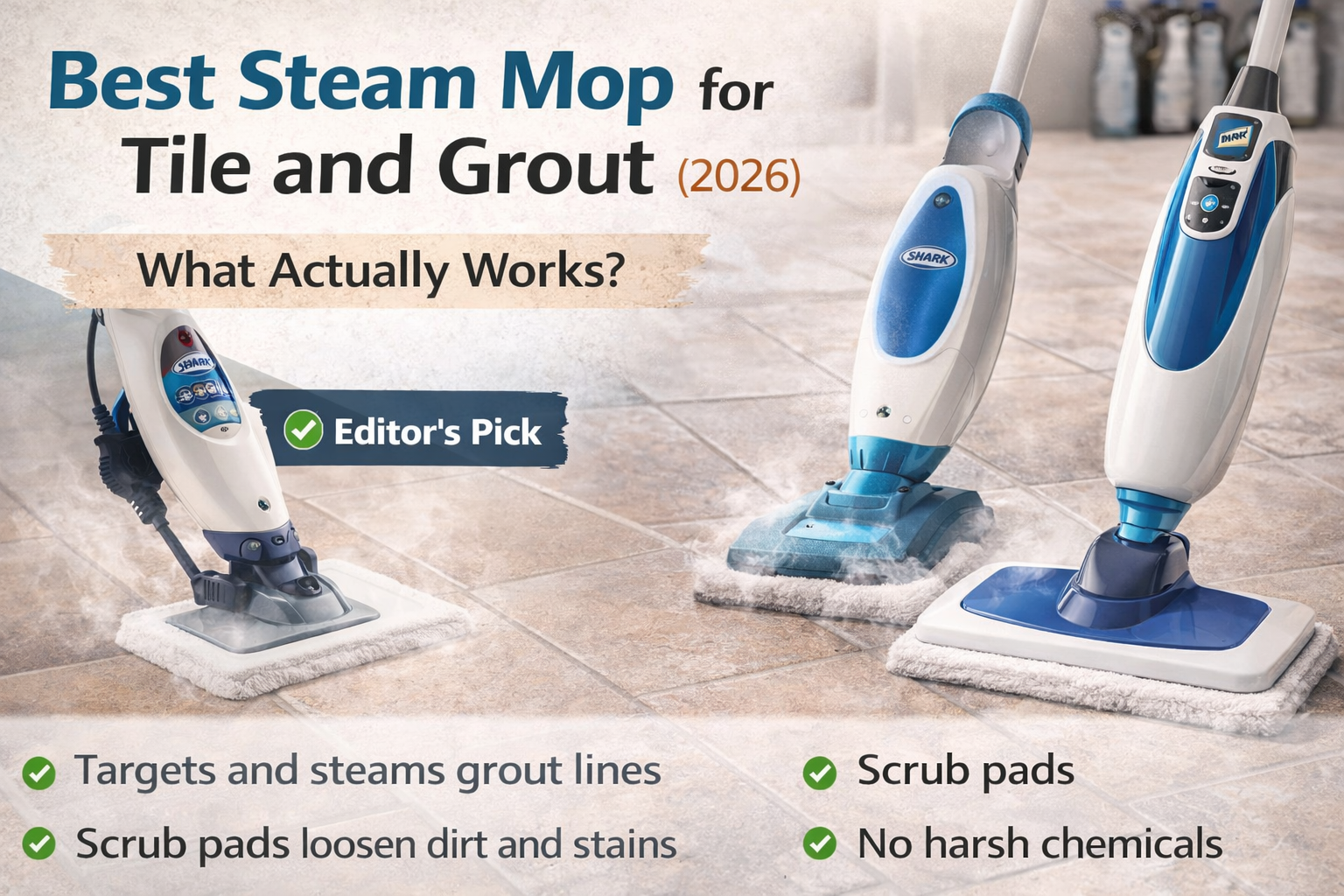
Finding the best steam mop for tile and grout isn’t just about power — it’s about how well it cleans grout lines without damaging your floors. If you’ve ever tried mopping tile the “normal” way, you’ve probably noticed the problem: the floor looks clean, but the grout still looks dirty.
That’s because regular mops don’t actually remove grime from grout. They tend to push dirty water into the lines instead of lifting it out.
This is where steam mops make a real difference. By applying heat directly into grout lines, they loosen embedded dirt and bacteria. But not every steam mop works well for this. To clean tile and grout effectively, you need strong steam output, adjustable levels, and ideally some kind of scrubbing action.
Quick Picks
| Best For | Model | Key Feature | Price | Link |
|---|---|---|---|---|
| Best overall for tile & grout | Bissell PowerFresh Slim 2075A | Grout tool + handheld mode | ~$90 | Check on Amazon |
| Best budget pick | Bissell PowerFresh 1940A | 3 steam levels, strong on high | ~$75 | Check on Amazon |
| Best for large tile areas | Shark S7001 | Scrub pad + high steam output | ~$100 | Check on Amazon |
Why Steam Mops Work on Tile (and What Doesn’t)
Steam cleaning works differently than traditional mopping.
Instead of spreading water across the surface, steam mops use heat and pressure to loosen dirt embedded in grout lines, which is where most grime actually builds up.
The microfiber pad then lifts that dirt away instead of pushing it around.
That’s exactly why regular mops fail on grout. They don’t have enough heat or pressure, and the dirty water just settles into the porous lines.
That said, steam alone isn’t always enough — especially if your grout is heavily stained. In those cases, you need mechanical agitation, like a scrub pad or grout attachment, to actually break down buildup.
If grout cleaning is your main goal, it’s also worth comparing steam mops to dedicated tools. For a deeper comparison, see our guide to the best steam cleaners for grout, where handheld units can outperform mops in certain situations.
Top Picks — Full Breakdown
Bissell PowerFresh Slim 2075A — Best Overall
If you want one tool that handles both tile floors and grout lines effectively, this is the top pick.
The biggest advantage here is the grout tool attachment. Instead of just gliding over the surface, it lets you focus steam directly into grout lines, which makes a noticeable difference in kitchens and bathrooms.
It also converts into a handheld unit, which is useful for:
- shower tiles
- corners and edges
- backsplash grout
The included scrubby pad adds a bit of mechanical cleaning, which helps with stuck-on grime.
Key specs:
- Weight: 11.6 lbs
- Tank: 11.8 oz
- Cord: 25 ft
- Adjustable steam: yes
The downside is that it’s heavier than most steam mops and has more parts to manage.
Bissell PowerFresh 1940A — Best Budget
If you want something simpler and more affordable, this is one of the most reliable options.
It doesn’t have grout attachments, but the high steam setting is strong enough for most tile floors, especially in kitchens where grease builds up.
It’s also lightweight, which makes it easier for regular cleaning.
Key specs:
- Weight: 5.4 lbs
- Tank: 13 oz
- Cord: 23 ft
- Steam levels: low / medium / high
The trade-off is that it relies mostly on pad pressure, so it’s less effective for deep grout cleaning.
Shark S7001 — Best for Large Tile Areas
If you have a larger kitchen or open tile space, this model makes things easier.
It combines strong steam output with a snap-on scrub pad, which helps loosen dirt while covering a bigger area faster.
The larger tank also means fewer refills, which matters more than you think in bigger homes.
Key specs:
- Weight: ~5.5 lbs
- Tank: ~400 ml
- Steam levels: 3
One nice detail: you can lower the steam when transitioning to more sensitive flooring.
The only real downside is the higher price.
Steam Mop vs Handheld Steam Cleaner for Grout
This is something a lot of people get wrong.
A steam mop is designed for floor-level cleaning. It covers large areas quickly but isn’t very precise.
A handheld steam cleaner, on the other hand, uses a focused nozzle, which makes it much better for:
- deep grout lines
- corners
- stubborn stains
So the best approach is usually:
- Steam mop → for regular cleaning
- Handheld cleaner → for deep restoration
How to Steam Clean Tile Floors Effectively
A few simple habits make a big difference:
- Always vacuum or sweep first
- Use the highest steam setting for tile
- Move slowly over grout lines
- Change pads frequently (this is huge)
And one important rule:
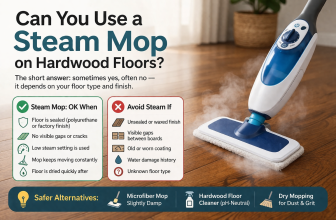
Never use steam on unsealed natural stone like marble or travertine. It can damage the surface over time.
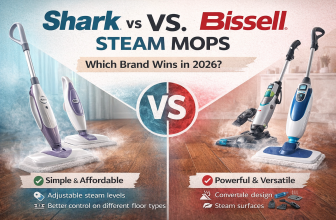
If you’re unsure about your floors, I also compared how different brands handle various surfaces in my Shark vs Bissell steam mop comparison, especially for tile vs hardwood.
FAQ
What is the best steam mop for grout?
The Bissell PowerFresh Slim is one of the best options because it includes a grout tool and handheld mode for targeted cleaning.
Can steam damage tile?
No, sealed tile is generally safe. The risk is not the tile itself—but the grout and surrounding materials if overexposed.
How often should I steam clean tile floors?
For most homes, once or twice a week is enough. High-traffic areas may need more frequent cleaning.
Is steam better than chemical grout cleaners?
For maintenance, yes. For deep stains, combining steam with light scrubbing works better.
Can I use a steam mop on natural stone tile?
No. Steam can damage unsealed stone surfaces like marble and travertine.
Final Thoughts
Steam mops are one of the few tools that actually clean grout instead of just making tile look clean.
But the key is choosing the right model.
If you want versatility and grout-focused cleaning → go with Bissell.
If you want something simpler for large tile areas → Shark works well.
And if your grout is heavily stained, don’t expect miracles from a floor mop alone — you may need a more targeted tool first.