
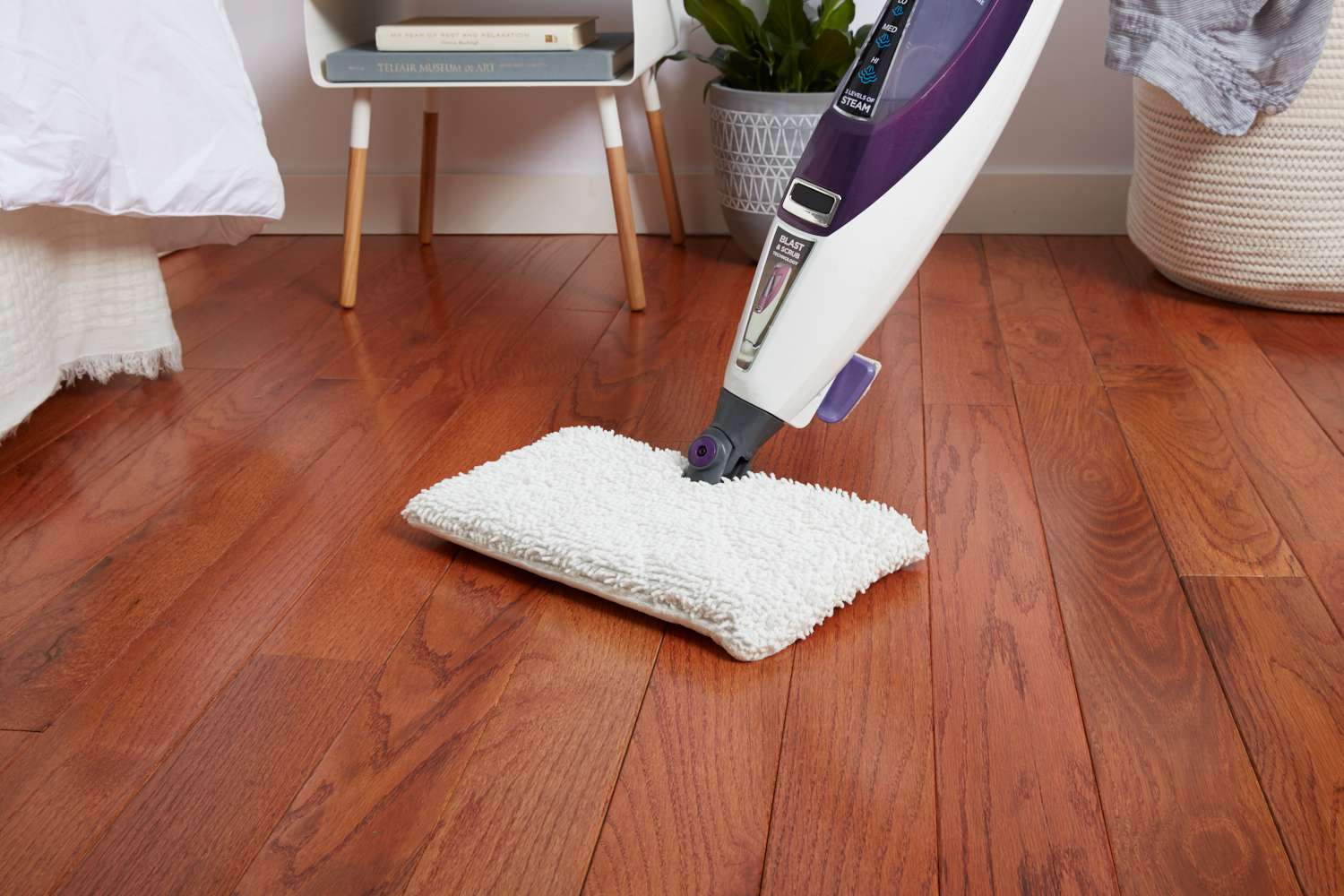
Can Steam Mops Damage Hardwood Floors?
Yes — they can. But the damage usually doesn’t happen overnight, and that’s exactly why so many homeowners miss the warning signs.
Steam mops sound like the perfect cleaning solution: no harsh chemicals, no scrubbing, no lingering smells. And on the right surfaces, steam can be extremely effective — which is why it’s so popular for general home cleaning and hygiene.
Hardwood floors, however, are a different story.
Unlike tile or vinyl, wood reacts slowly to heat and moisture. Repeated steam exposure can weaken the finish, force moisture into seams, and stress the wood fibers underneath — even when the floor looks perfectly fine at first.
Do Steam Mops Damage Hardwood Floors Over Time?
Based on years of cleaning my own home — and helping friends fix mistakes they didn’t realize they were making — one thing is clear:
Steam mops can damage hardwood floors, but the damage usually builds up gradually, not instantly.
That’s why this page focuses on what steam actually does to hardwood over time, which situations are most risky, and how that risk compares to using steam on other floor types — so you can decide whether steam cleaning makes sense for your floors at all.
Why Are Steam Mops Bad for Hardwood Floors?
Hardwood floors may look solid, but they’re still made of real wood — and wood reacts to its environment.
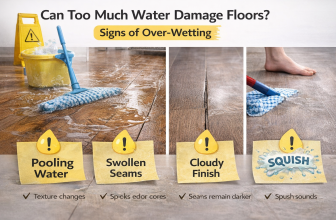
The biggest issue is moisture. Even sealed hardwood isn’t waterproof. Steam can slip into tiny seams between boards, edges, or worn spots you may not even notice.
Then there’s heat. Steam doesn’t just add water — it adds hot water. That heat causes wood fibers to expand more quickly, especially near joints.
And finally, there’s the constant expand-and-contract cycle. Wood swells when it absorbs moisture and shrinks as it dries. Repeat that often enough, and the stress starts adding up.
This is exactly why steam behaves very differently on hardwood compared to tile, vinyl, or laminate — surfaces where moisture simply sits on top instead of soaking in.
What Happens If You Use a Steam Mop on Hardwood Floors?
Warping and swelling
I’ve seen floors that looked perfectly fine for years — until subtle waves started appearing. Steam pushes moisture between boards, and some areas absorb more than others. Over time, that uneven swelling leads to cupping or warping.
Finish breakdown
That protective finish on your hardwood floor is what keeps moisture out. Repeated exposure to steam heat can slowly weaken it. Once the finish starts breaking down, the floor becomes much more vulnerable to stains, spills, and humidity.
Micro-cracks over time
This is the damage most people don’t notice right away. Steam rarely ruins hardwood instantly. Instead, it creates tiny cracks in the finish or the wood itself. Months later, floors may look dull, worn, or harder to clean — and the cause isn’t always obvious.
When Steam Mops Are Most Likely to Cause Damage?
From what I’ve seen, steam-related damage is far more likely when:
- Floors are older or already worn
- Hardwood is not fully sealed
- You’re using a basic steam mop with no steam control
- Steam cleaning becomes a regular habit
- The mop stays in one spot for too long
This is also why it helps to understand which floors can safely handle steam and which ones can’t. Steam mops behave very differently depending on the surface — this full steam mop floor safety guide breaks it down by floor type.
Are Steam Mops Safe for Hardwood Floors?
People usually want a simple yes-or-no answer. The honest one is: only sometimes.
Steam mops may be relatively safe only if:
- The hardwood is fully sealed and in excellent condition
- The floor manufacturer allows steam cleaning
- The steam mop has low or adjustable steam output
- Steam is used occasionally, not weekly
- The mop is kept constantly moving
Even then, I wouldn’t call it risk-free — just lower risk.
Steam has clear advantages, but also clear limits — this breakdown of steam mop benefits and trade-offs explains where steam helps and where it doesn’t.
When a Steam Mop Can Be Used Safely on Hardwood
Steam mops aren’t automatically unsafe for hardwood floors — but only when very specific conditions are met. The biggest risk comes from excess moisture, inconsistent steam bursts, and floors that aren’t properly sealed.
On sealed hardwood, a steam mop with adjustable steam output and good pad absorption can help reduce that risk. Lower steam settings limit moisture exposure, while dense microfiber pads absorb residue instead of spreading it across the surface.
This is why using a steam mop designed for controlled, even steam — rather than maximum power — makes the most sense when hardwood is involved.
Many people assume hardwood floors are either safe or unsafe for steam cleaning, but the reality is more nuanced. Some surfaces handle heat better than others — and knowing which floors should never be steam cleaned can prevent long-term damage that isn’t visible right away.
For sealed hardwood floors, these are the steam mops that offer the best balance of control and drying speed: Top Rated Steam Mops for Hardwood Floors.
What Flooring Manufacturers Actually Recommend
Most flooring manufacturers take a very cautious approach to steam — and for good reason.
Many flooring manufacturers warn that steam cleaning may void warranties due to moisture exposure, which is why their official care guidelines often recommend dry or lightly damp cleaning methods instead.
(For general wood floor care principles, see guidance from organizations like the National Wood Flooring Association.)
What Is the Safest Way to Clean Hardwood Floors?
If your goal is clean floors and long-term peace of mind, here’s what I personally rely on:
- Microfiber mops for daily dust and debris
- Lightly damp mopping — never wet
- pH-neutral hardwood cleaners designed for sealed wood
These methods may not feel as powerful as steam, but they’re far gentler and far safer over time.
Final Verdict: Should You Use a Steam Mop on Hardwood Floors?
If you want your hardwood floors to last for years — not just look good today — steam should be the exception, not the habit.
Many homeowners ask whether steam mops can damage hardwood floors even when used carefully, and the honest answer depends on frequency, floor condition, and steam control.
Occasional steam use on fully sealed floors might be acceptable. But frequent steam cleaning is where long-term damage quietly starts creeping in.
That said, some homeowners still choose to use steam on hardwood — usually in low-traffic areas or for occasional deep cleaning. In those cases, the risk comes down to how much steam is used, how often, and how well the floor is sealed.
FAQ
Can steam ruin hardwood floors?
Yes. Repeated steam exposure can cause warping, finish damage, and moisture-related issues.
Is occasional steam cleaning safe?
Sometimes — but only on sealed floors and only if the manufacturer allows it.
Can steam mops damage engineered hardwood?
Yes. Engineered wood still has seams and layers that moisture can penetrate.
What’s the safest way to clean hardwood floors?
Dry or lightly damp microfiber mopping with a hardwood-safe cleaner.