
(Real-World Warnings Most People Learn Too Late)
What floors should you not steam mop? This was one of the first questions I asked myself after noticing subtle floor damage that didn’t show up right away. When I first bought a steam mop, I honestly thought I’d found the ultimate cleaning shortcut. No chemicals, no sticky residue, just hot steam and clean floors. It sounded almost too good to be true — and in some cases, it was.
After using steam mops on different floors in my own home (and fixing a couple of mistakes along the way), I learned an important lesson: steam mops are not safe for every floor type. Some surfaces can handle heat and moisture just fine. Others… absolutely cannot.
If you’re wondering whether steam cleaning might be slowly damaging your floors, this guide will help you avoid expensive regrets.
Why Steam Mops Can Damage Certain Floors
Steam mops clean by forcing heat + moisture deep into the surface of your floor. That’s exactly why they’re effective — and also why they can be risky.
Steam can:
- seep into seams and cracks
- weaken adhesives under the surface
- cause swelling, warping, or discoloration
- break down protective finishes over time
Even floors that look solid can be vulnerable underneath.
👉 If you’re new to steam cleaning, I recommend starting with this step-by-step steam mop technique guide — technique matters more than people think.
Many homeowners don’t realize which floors should not be steam mopped until damage appears months later.
Floors You Should NEVER Steam Mop
These surfaces are high-risk. Steam damage may not appear immediately, but it often shows up weeks or months later.
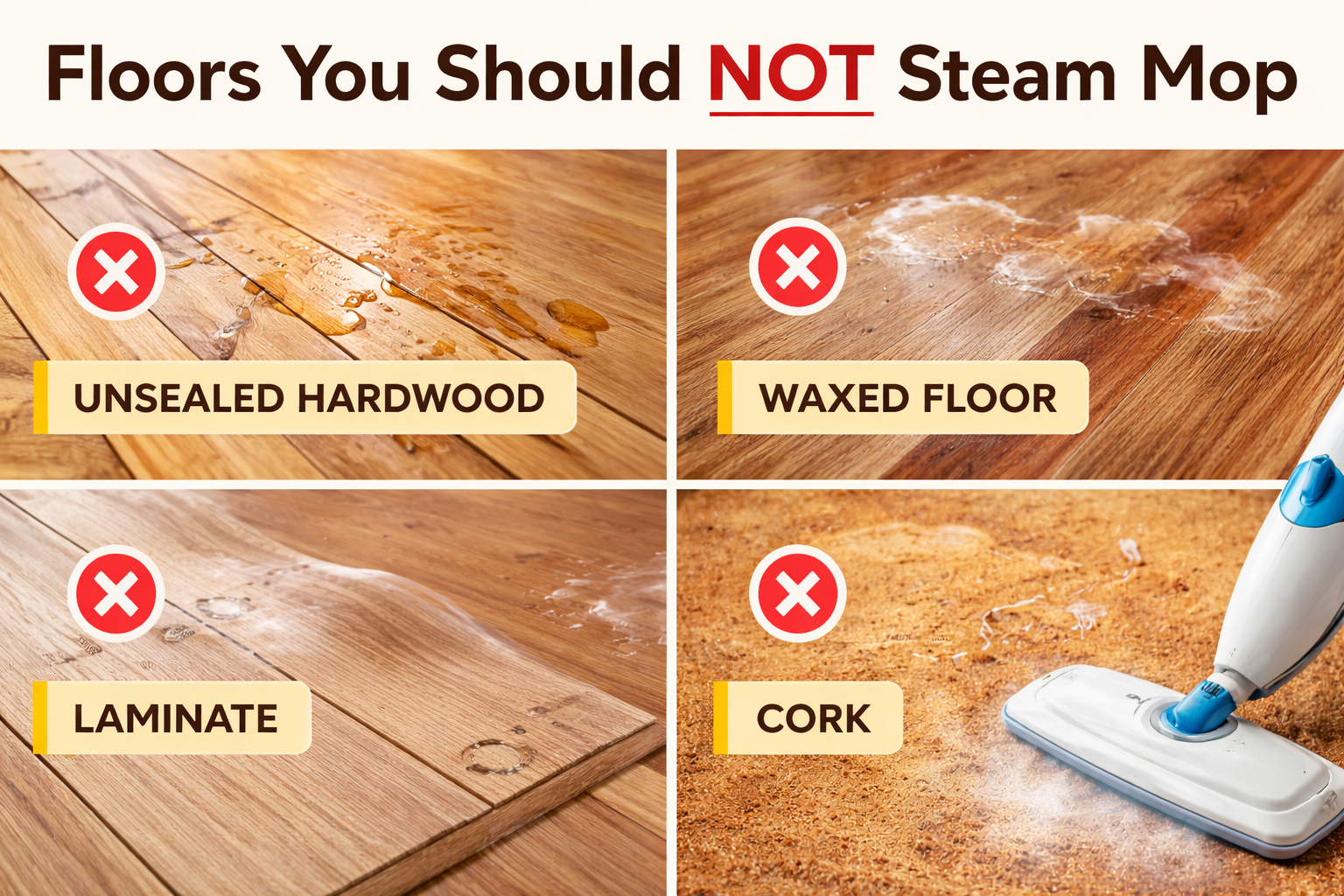
❌ Unsealed Hardwood Floors
Unsealed wood absorbs moisture quickly. Steam can penetrate deep into the planks, causing:
- cupping or warping
- raised grain
- permanent stains
If your hardwood isn’t explicitly sealed and steam-approved, don’t risk it.
❌ Waxed Floors
Steam melts and strips wax coatings. The result is uneven patches, dull spots, and floors that suddenly attract dirt instead of repelling it.
Once the wax is gone, there’s no quick fix.
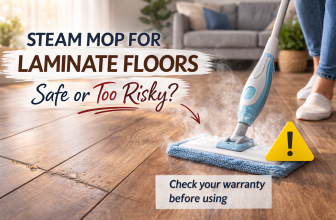
❌ Laminate Flooring (Most Types)
Despite the name, laminate is mostly fiberboard under a thin protective layer. Steam can:
- seep through seams
- cause bubbling or lifting
- permanently weaken the core
Some brands claim “steam-safe,” but most manufacturer warranties still advise against it.
❌ Cork Floors
Cork is naturally porous and moisture-sensitive. Steam can cause swelling, cracking, and long-term structural damage.
Even sealed cork floors are risky with repeated steam exposure.
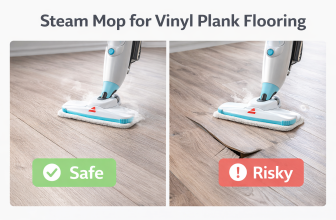
❌ Cheap or Peeling Vinyl
Luxury vinyl plank (LVP) is often fine — low-quality vinyl is not. Steam can loosen adhesives and cause edges to curl or peel.
If your vinyl already has lifting corners, steam will make it worse.
Floors That Depend on Condition (Use Caution)
These surfaces can tolerate steam — but only under the right conditions.
⚠️ Sealed Hardwood
Well-sealed hardwood may handle occasional steam cleaning if:
- steam output is low
- the mop pad is dry, not dripping
- you keep the mop moving constantly
Still, many homeowners prefer safer alternatives for daily cleaning.
For a deeper breakdown, see Can Steam Mops Damage Hardwood Floors?
⚠️ Tile With Old or Cracked Grout
Tile itself loves steam. Grout does not.
Old, porous grout can absorb moisture, leading to:
- discoloration
- mildew under the surface
- crumbling over time
Steam is best used sparingly here, with proper sealing.
Signs Your Floor Is NOT Steam-Safe
If you’ve already used a steam mop and notice any of these, stop immediately:
- boards or planks lifting at the edges
- dull or cloudy patches
- soft or spongy spots
- cracks appearing along seams
- musty smells after cleaning
These are early warnings — ignoring them usually makes the damage worse.
What to Use Instead of a Steam Mop
If steam isn’t safe for your floors, you still have good options.
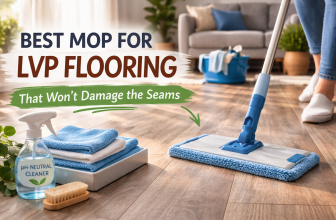
- Microfiber mop + warm water for routine cleaning
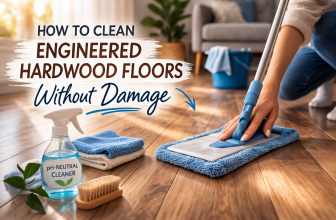
- Manufacturer-approved cleaners for hardwood or laminate
- Damp mopping (not wet) with minimal moisture
- Vacuum first, always — grit causes more damage than most people realize
Is Steam Mopping Ever Worth It?
Yes — just not everywhere.
Steam mops work best on:
- sealed tile
- porcelain
- stone (properly sealed)
They’re great tools when used on the right surfaces, with the right expectations.
If you’re still deciding whether steam cleaning fits your home at all, Steam Mop vs Traditional Mop: Which One Actually Works breaks it down honestly.
According to Consumer Reports, steam cleaning can damage wood and other sensitive floors because heat and moisture may warp or weaken them over time.
Final Thoughts
Steam mops aren’t dangerous — misusing them is.
Most floor damage happens not because people are careless, but because they’re never told where steam cleaning crosses the line. If your floor relies on glue, coatings, or porous materials, heat and moisture are not your friends.
When in doubt, less water is almost always safer than more.